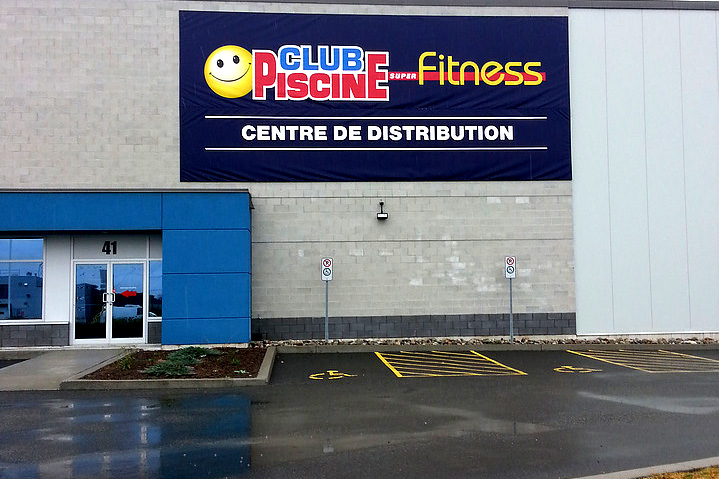
Ottawa signs are not created in one step. The process follows a clear sequence: define the need, design the sign, validate constraints, produce, then install. Each stage affects the final result. Signage Ottawa structures this process to avoid delays and inconsistencies from the start.
Step 1: Define the objective and constraints
The process starts with a clear objective. Visibility, branding, or directional use must be defined early.
At this stage, location matters. A storefront sign on a busy street requires different sizing than one in a low-traffic area.
Municipal constraints also apply. In Ottawa, signage must follow specific rules depending on zoning and placement. These requirements influence size, lighting, and positioning.
Step 2: Translate the need into a design
Once the objective is clear, the design phase begins. This step turns a business need into a visual format.
Font size, color contrast, and material choice affect readability. For example, a sign viewed at 50 meters requires larger lettering than one seen up close.
This is also where branding is applied correctly, ensuring visibility aligns with recognition beyond the logo rather than just aesthetics.
Step 3: Validate technical and regulatory elements
Before production, the design must be validated. This includes structural support, electrical requirements, and compliance with local regulations.
Permits may be required depending on the type of sign. Skipping this step often leads to delays or forced modifications later.
At this stage, dimensions, materials, and installation method are confirmed. Nothing should remain approximate.
Step 4: Production and fabrication
Production transforms the approved design into a physical sign.
Materials such as aluminum, acrylic, or LED components are selected based on durability and visibility needs.
Fabrication timelines vary, but most projects require several days to weeks depending on complexity. Precision at this stage ensures the sign matches the approved design.
Step 5: Installation on site
Installation is the final step. It must follow safety standards and positioning requirements.
Placement height, angle, and visibility from traffic flow are adjusted on site. A poorly installed sign can reduce visibility even if the design is correct.
In Ottawa, weather conditions can also affect scheduling, especially for exterior installations.
How Signage Ottawa structures the full process
Signage Ottawa follows a defined sequence from planning to installation. Each step is handled with clear validation before moving forward.
Ottawa signs developed through this approach reduce errors and avoid rework. The process remains consistent across projects, regardless of size or complexity. This structure ensures that the final result matches both the initial objective and real-world conditions.
Request a custom signage quote from Signage Ottawa and start your project with a clear, step-by-step process.