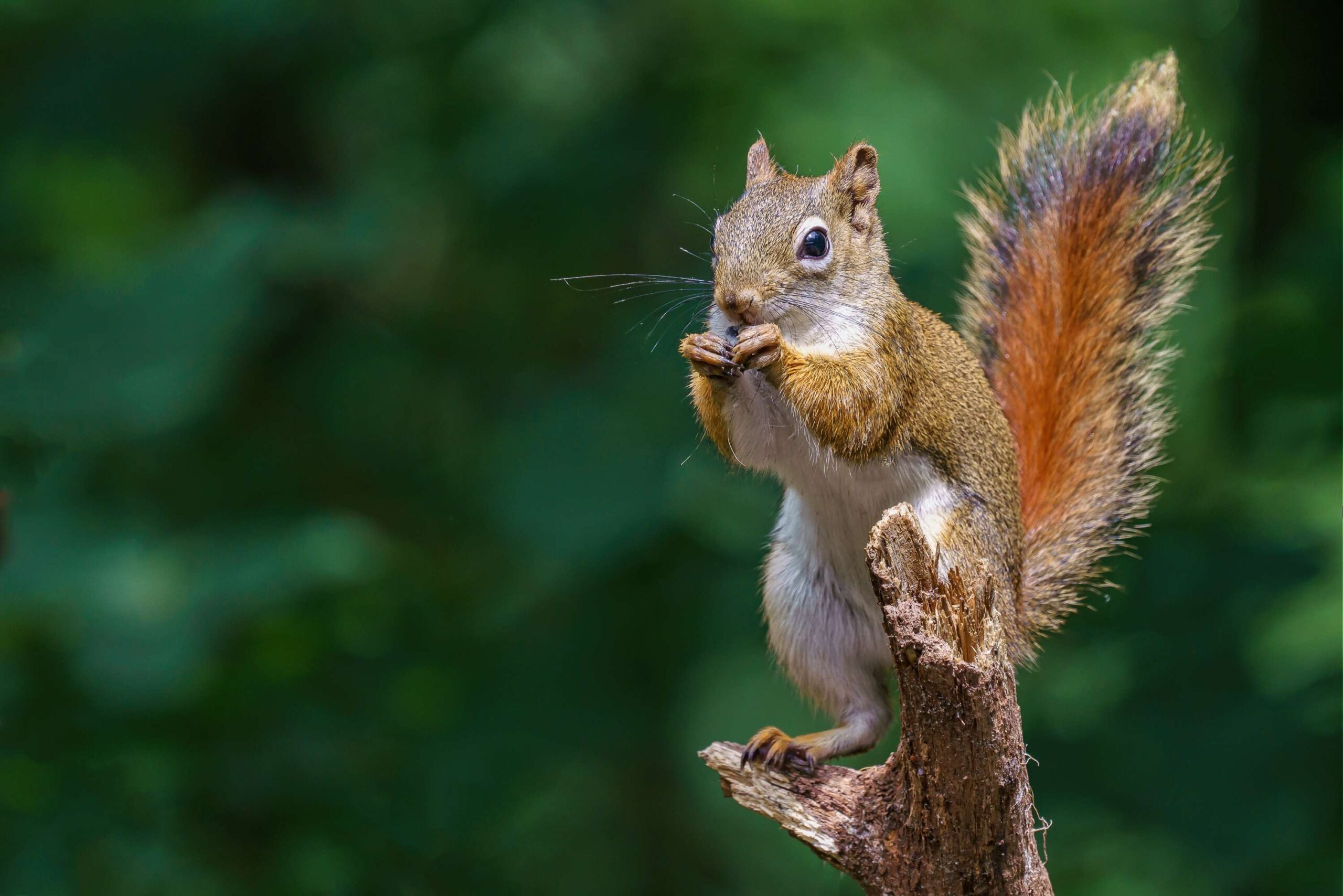
When scheduling squirrel removal in Ottawa, homeowners often wonder what actually happens during an inspection. It’s not just about finding the animal—it’s about uncovering how they entered, assessing damage, and preventing their return. Understanding this process helps homeowners act confidently and protect their property before costly damage occurs.
Step one: Identifying the signs of squirrel activity
A professional inspection begins with a detailed walkthrough of the property. Technicians listen for movement in the attic, inspect droppings, and look for chewed entry points on soffits, vents, and eaves. These signs reveal not only that squirrels are present but also where they are nesting and how long they’ve been inside.
Inspectors often focus on areas that homeowners overlook—like roof intersections or utility openings—where squirrels can easily squeeze through. They also check insulation for nesting materials or gnaw marks on wires. This initial phase determines whether immediate squirrel removal is needed or if preventive sealing is sufficient.
Step two: Assessing entry points and potential risks
Once the infestation is confirmed, the next step is to assess structural vulnerabilities. Professionals map out every possible entry and exit point, identifying weak spots that could attract future intrusions. This step is crucial since squirrels often return to previously used access points.
The inspection also includes checking for health and safety risks. Urine and droppings can spread bacteria, while chewed wires can increase fire hazards. A proper inspection ensures these hazards are addressed before removal begins. Humane methods such as one-way doors are then planned to allow squirrels to leave without re-entering.
By combining observation and experience, technicians ensure that squirrel removal in Ottawa is done efficiently and safely. The goal is not only eviction but long-term protection through repair and exclusion.
Step three: Repairing, cleaning, and securing the home
After removal, professionals focus on restoring the attic to a safe condition. This often includes sanitizing contaminated insulation and sealing entry points with durable materials. Final recommendations may include trimming nearby trees or adding vent guards to prevent re-entry.
Timely intervention saves homeowners from extensive repairs and repeated infestations. For reliable service, Aspen Wildlife Control provides thorough inspections and humane removal strategies tailored to Ottawa’s seasonal challenges. Their approach ensures homes stay secure and free from unwanted guests.