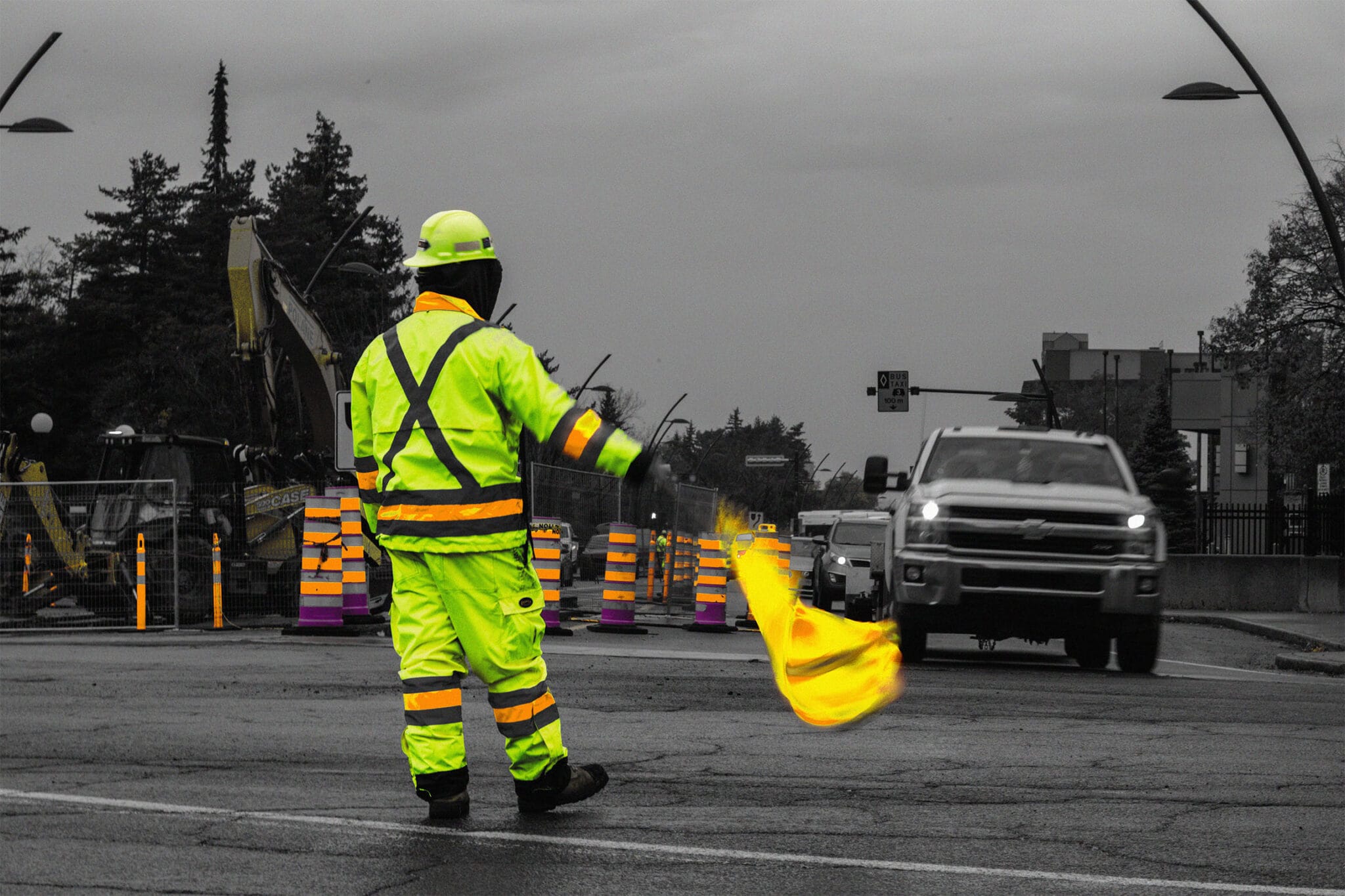
Traffic management in Ontario is essential for businesses planning construction, road closures, or large-scale events. Permits are mandatory in most cases, ensuring projects meet safety standards and minimize disruption. Knowing what permits are required, why they matter, and how to obtain them helps businesses avoid delays and penalties.
Why Permits Are Crucial for Traffic Management
Any activity that affects vehicle flow or pedestrian access requires official approval. Municipalities and provincial authorities regulate these permits to protect the public and maintain order on busy roads.
Without proper authorization, businesses risk fines, liability issues, or forced project shutdowns. Permits outline responsibilities for signage, lane closures, and traffic control measures. They also provide legal protection by showing compliance with Ontario’s safety regulations.
Traffic management is not just about moving cars efficiently. It is about ensuring that construction crews, drivers, and pedestrians remain safe while essential projects are underway.
The Permit Application Process
Applying for permits involves several steps, starting with detailed traffic control plans. These documents outline detour routes, expected timelines, and safety provisions. Municipalities often require site-specific details before granting approval.
Businesses must also coordinate with local police, fire departments, and emergency services. These agencies review plans to ensure emergency access remains available. Timelines vary, so applications should be submitted well before project start dates.
Traffic management in Ontario relies heavily on this coordination. When handled properly, permits create a structured framework that allows projects to progress smoothly while reducing risk.
Professional Assistance for Businesses
For many companies, the permit process can feel overwhelming. Requirements vary by city, and mistakes in applications cause costly delays. Working with certified traffic control specialists streamlines this process.
Experienced providers prepare compliant traffic control plans, manage communication with authorities, and ensure all documentation is complete. Their knowledge saves time while reducing liability for businesses.
For organizations preparing road-related projects or events, consulting Prosign can simplify the entire process. Their expertise ensures compliance and efficient traffic management from planning to execution.