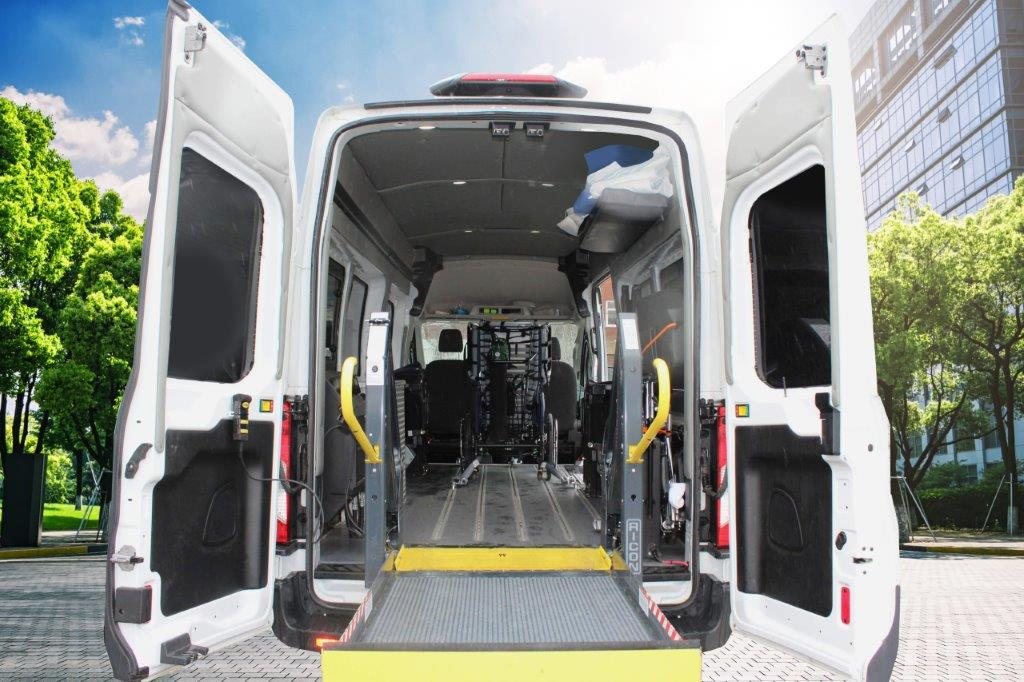
Non-emergency transportation in Ottawa helps patients reach hospital appointments without relying on emergency services. It matters because timing, coordination, and assistance directly affect the visit. In practice, the experience involves booking ahead, confirming needs, and managing pickup and return. TSMO operates within this structure, aligning transport with real hospital constraints.
Before your hospital visit
Before the appointment, scheduling takes place based on your hospital time. Most bookings happen 24 to 72 hours in advance to secure availability. Then, specific details are confirmed. These include mobility needs, assistance level, and access points at pickup and drop-off. For example, a patient using a wheelchair requires a vehicle adapted to that situation.
In Ottawa, planning also considers traffic patterns. A morning appointment often requires an earlier departure to avoid delays.
During pickup and transportation
On the day of transport, timing remains precise. Drivers usually arrive within a defined window rather than an exact minute. Pickup includes assistance adapted to the patient’s condition. This may involve help entering the vehicle or ensuring safe positioning during the ride.
Travel duration varies depending on distance and traffic. For example, reaching major hospitals can take between 20 and 60 minutes across Ottawa. Because of these variables, structured timing reduces stress and avoids missed appointments.
At the hospital and for the return trip
Arrival at the hospital is planned slightly ahead of the appointment. This buffer accounts for check-in procedures and internal navigation. Once the appointment ends, the return process depends on the initial arrangement. Some rides are pre-scheduled, while others require confirmation after the visit.
In terms of cost and service differences
Costs vary based on several concrete factors. Distance remains the main variable, but assistance level also impacts pricing. A standard seated ride costs less than a transport requiring mobility support. In addition, longer wait times or return flexibility can influence the total price.
However, reliability often matters more than price alone. A delayed transport can lead to missed appointments or rescheduling complications. Understanding these elements helps set realistic expectations before booking.
From a structured transportation provider
A structured provider focuses on coordination, timing, and adaptability. This includes aligning pickup times with hospital schedules and adjusting to patient needs.
TSMO follows this approach by organizing each trip around real conditions rather than fixed assumptions. This allows better management of delays, traffic, and appointment changes. Consistency also becomes critical for patients with frequent visits, where reliability of non-emergency transportation supports regular treatment schedules without disruption.TSMO ensures continuity by maintaining predictable scheduling and adapted transport conditions.
Moving forward with a clear transport plan
Using non-emergency transportation in Ottawa involves more than booking a ride. It requires anticipating timing, assistance, and coordination with hospital schedules.
TSMO provides a structured approach that supports this process from start to finish. Contact TSMO to plan upcoming hospital visits and secure transportation that fits your schedule, your mobility needs, and your treatment routine.