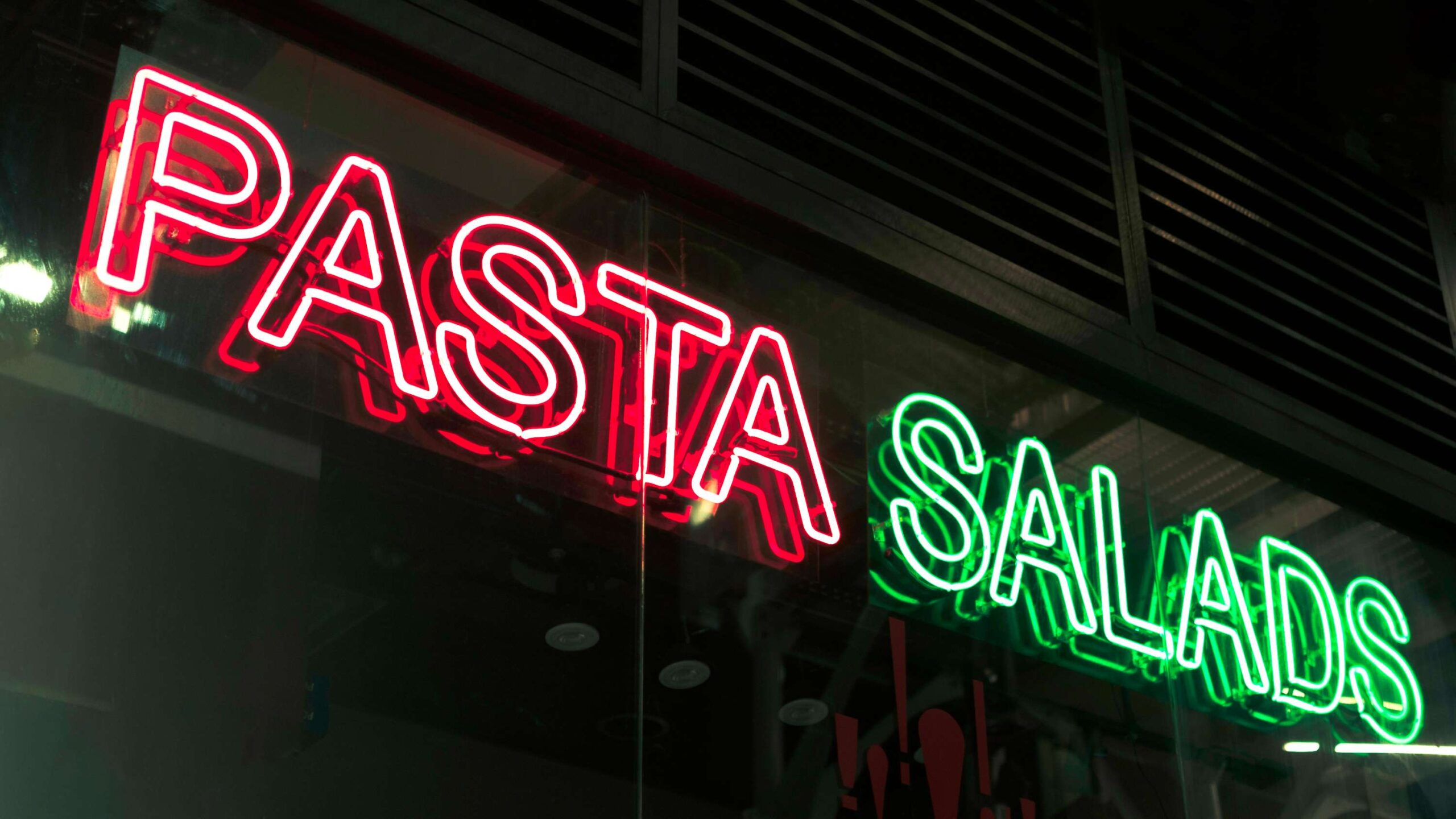
Ottawa signs work when they match visibility, traffic flow, and local constraints. A small business needs signage that people understand instantly and see from the right distance. In Ottawa, climate and zoning rules shape performance. Signage Ottawa often aligns these factors early to avoid ineffective choices.
Channel letter signs: high visibility for busy Ottawa streets
Channel letter signs perform well on high-traffic roads. Drivers moving at 40 to 60 km/h need bold, illuminated letters. These signs remain readable at longer distances, especially during winter when daylight drops early.
Moreover, individual letters create depth and contrast. This improves recognition compared to flat panels. Businesses on major arteries often rely on this format to stay visible among competitors.
Window graphics and decals: converting foot traffic into customers
Window graphics work best in pedestrian zones. People walking slowly can process more detail, so visuals and offers become effective. For example, a café can display menus or promotions directly on glass. However, clarity still matters. Overloading the window reduces readability and blocks natural light.
Additionally, removable vinyl decals allow seasonal updates. This flexibility helps businesses adjust messaging without replacing the entire signage.
Pylon and monument signs: dominating visibility from a distance
Pylon signs stand tall and capture attention from far away. They suit commercial areas, plazas, and roadside businesses. Height and scale make them visible before customers reach the location.
Monument signs offer a lower profile but remain effective near entrances. They provide a structured and permanent appearance, which reinforces brand credibility.
Choosing between both depends on distance and surroundings. Open areas favor pylons, while tighter spaces benefit from monument structures.
LED and digital signage: adapting messages in real time
LED signage allows businesses to change messages instantly. Promotions, hours, or announcements update without replacing the structure. This flexibility becomes useful during seasonal peaks or short campaigns.
However, clarity still matters. Fast animations or overloaded layouts reduce readability. A simple message with strong contrast remains more effective in real conditions.
Moreover, many Ottawa signs now integrate digital formats to stay competitive in busy areas. This evolution follows broader local advertising transformation driven by LED and digital signage, where businesses adjust messaging throughout the day based on traffic patterns.
Working with Signage Ottawa for effective results
A signage project starts with evaluating location, angles, and obstacles. Signage Ottawa uses these factors to define size, material, and format before production. Fabrication aligns with Ottawa’s weather conditions. Materials must resist snow, humidity, and temperature variation. Installation ensures compliance with local requirements. Proper positioning, lighting control, and structural stability prevent future issues.
Reviewing existing signage often reveals quick improvements. A simple adjustment in size or contrast can increase visibility immediately. Signage Ottawa helps translate these adjustments into signage that performs consistently in real conditions.