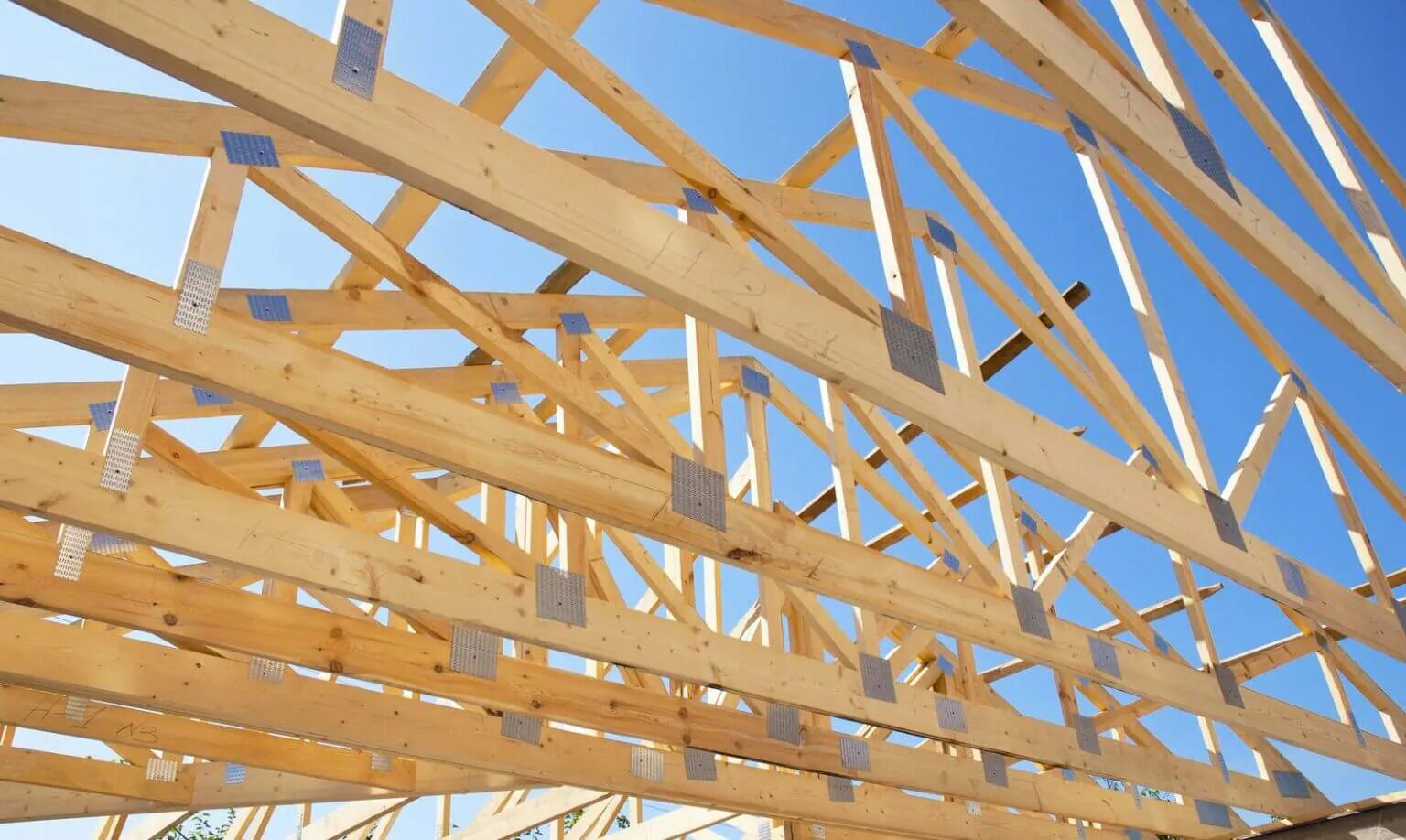
Roof trusses in Ottawa must comply with both structural needs and the Ontario Building Code. For homeowners and builders alike, understanding the legal and technical framework is essential to avoid costly delays or structural issues. This article explores how roof truss systems align with local building standards and why professional guidance makes a difference.
What the Ontario Building Code requires for roof trusses
In Ottawa, all construction projects must meet the standards set by the Ontario Building Code (OBC). This includes strict guidelines for roof loading, truss spacing, material strength, fire resistance, and ventilation. Roof trusses must be designed to :
- Handle snow loads specific to the Ottawa region
- Maintain structural integrity under wind uplift
- Support energy efficiency and insulation needs
Most importantly, trusses must be certified by a licensed professional and accompanied by sealed engineering drawings. Authorities use these documents to issue permits and conduct inspections.
Who is responsible for code compliance
While contractors oversee on-site work, it is usually the manufacturer of roof trusses in Ottawa who ensures compliance with OBC. They create shop drawings based on architectural plans and submit them to engineers for review and stamping.
The homeowner or builder is responsible for submitting those stamped drawings to the city when applying for a building permit. Once approved, these plans guide the framing team during installation.
If unsealed or non-compliant trusses are installed, the structure may fail inspection—leading to delays or costly retrofitting. This is why working with experienced truss providers is essential.
Benefits of working with local experts
Local truss manufacturers are familiar with Ottawa’s specific snow load zones, common architectural styles, and municipal permit processes. They help avoid miscalculations and ensure your roof framing meets every technical requirement.
Many professionals also offer installation support or refer certified framers. This ensures that what’s on paper matches what’s built on site.
DML, for instance, is known in the region for delivering fully compliant roof trusses along with clear documentation and professional support. Their team helps streamline the process from quote to delivery to final inspection.
When your project depends on passing code without setbacks, choosing the right partner for your roof trusses is as important as the design itself.